The Quick Version
- The Perth to Melbourne route covers ~3,400 km through extreme heat, constant road vibration, and major humidity shifts.
- Standard packing won’t protect fine art, high-end electronics, or designer furniture across the Nullarbor.
- Professional-grade materials (acid-free wraps, anti-static bags, custom crating) are the baseline—not the upsell.
- Common DIY mistakes like using newspaper, packing plates flat, and leaving void space can lead to preventable damage.
- Look for AFRA accreditation, transit insurance with a PDS, and air-ride suspension in any interstate removalist.
- Want expert help instead? Request a quote from A2B, and we’ll take it from here.
When you’re moving from Perth to Melbourne, the logistics go well beyond loading boxes onto a truck. You’re sending your life across a continent—roughly 3,400 kilometres through some of the most punishing terrain in Australia. The Nullarbor Plain alone can push summer temperatures past 45°C, and inside an uninsulated truck body, that figure can easily exceed 60°C.
For everyday household items, that’s manageable. But if your home includes original artwork, a serious tech setup, or designer furniture you’ve invested thousands in, generic packing just isn’t going to protect it. This isn’t about being precious. It’s about understanding the physics of a long-distance move and packing accordingly. And even in homes without high-end pieces, the same distance, heat, and vibration can quietly damage everyday items if they aren’t packed properly.
Here’s what you need to know.
What the Nullarbor Does to Your Belongings
The Perth–Melbourne corridor isn’t just long. It’s a gauntlet of environmental stressors that most people don’t think about until something arrives broken.
Vibration and road shock
Over 3,400 km, the cumulative effect of low-frequency road vibration is the biggest silent threat. Every object has a natural resonant frequency, and if the truck’s vibration matches it, the amplitude builds and materials fatigue. Crystal stems crack. Solder joints loosen. Joinery separates. None of this requires a sudden impact. It’s the constant, grinding hum of the road surface over days of transit that does the damage. In practical terms, even items that feel securely packed for a local move can slowly fatigue and fail over a multi-day interstate journey if they aren’t packed to absorb constant vibration.
Extreme heat
The Nullarbor regularly exceeds 45°C in summer, with recorded temperatures pushing past 49°C in recent years. Inside a dark, uninsulated cargo hold, internal temperatures can soar above 60°C. At those levels, adhesives melt, vinyl warps, wood veneers delaminate, and acrylic paint softens enough to bond permanently to any material touching it. What this means for your move: items that rely on adhesives, finishes, or coatings need heat-tolerant packing materials and airflow, not tight plastic wrapping.
Humidity shift
Perth is dry, especially in summer. Melbourne is noticeably more humid year-round, with average relative humidity 15–20% higher. That swing matters. Timber furniture absorbs moisture and swells. Electronics risk condensation on internal components. Canvas can buckle. Leather can develop mould if trapped in sealed plastic wrapping. Put simply, materials that survive Perth’s dry climate can react badly when they arrive in Melbourne unless they’re packed to manage moisture change, not just impact.
Biosecurity checkpoints
Western Australia has the strictest interstate quarantine regime in the country. Fresh produce, certain plant materials, and uncleaned garden equipment can trigger delays at the border—leaving your entire shipment sitting in the sun while inspectors process it. A professional removalist factors this into the plan and ensures compliance before loading.
How the Experts Pack Art, Tech and Furniture

When a specialist removalist Perth packs high-value items, the approach mirrors conservation and logistics science, not just wrapping things in blankets. Here’s what best practice looks like across three common high-value categories. The goal isn’t to over-protect items; it’s to match the packing method to the risks of a substantial interstate move.
Fine Art and Antiques
Original paintings, sculptures, and antique pieces need museum-grade treatment. That starts with the materials touching the surface. Professional packers use acid-free glassine paper as the primary contact layer for works on canvas or paper—never newspaper, which transfers ink and is acidic enough to cause permanent browning. Tyvek (a breathable, water-resistant synthetic) protects sculptures and textiles. Bubble wrap is only ever used as an outer secondary layer, never in direct contact with artwork. The plasticisers in standard bubble wrap can leave permanent circular marks on varnish and acrylic paint.
For high-value pieces, custom timber crates are built to the exact dimensions of the work, with closed-cell foam (Ethafoam) lining cut to cradle the object. These crates are thermally insulated and gasket-sealed to buffer temperature swings and keep out moisture, dust, and insects. Paintings are always transported vertically, as laying them flat risks the canvas sagging over time. Marble and stone pieces are transported on edge for the same structural reason: flat transport creates bending stress that can snap stone along its natural veins.
Technology and Electronics
Your tech stack—whether it’s a high-end workstation, a server rack, or a home automation hub—faces invisible risks during transit. The biggest one is electrostatic discharge (ESD). A moving truck is a dry, friction-heavy environment where standard cardboard and plastic generate massive static charges. A single discharge can destroy a CPU or motherboard.
Professional packing for electronics uses anti-static (pink) bubble wrap and conductive shielding bags for sensitive components. Heavy items like graphics cards (GPUs) and large CPU coolers should be physically removed from desktop PCs before transport—the lever-force of a 2 kg GPU bouncing during a multi-day road trip can snap the PCIe slot clean off the motherboard. Hard disk drives (HDDs) are vulnerable to shock, so double-boxing with dense foam isolation is standard. The device goes in a snug inner box, which is then suspended inside a larger outer box with foam on all sides.
Critically, electronics should never be powered on immediately after arrival. Moving from a hot, dry interstate journey into Melbourne’s cooler, more humid air can cause condensation on circuit boards. Allow 24–48 hours for devices to acclimatise to room temperature before switching them on. Include silica gel packets inside sealed packaging to absorb ambient moisture.
Designer Furniture
A bespoke Jarrah dining table or an Eames lounge chair can’t just be wrapped in a blanket for a cross-country haul. Long-distance moves require “export wrapping” standards: a soft inner layer (paper pad or fleece-backed material) directly on the surface, corrugated cardboard protecting corners and edges, and the whole piece sealed against dust and moisture.
Timber furniture is hygroscopic, meaning it breathes. Solid wood acclimatised to Perth’s dry summers will absorb moisture when it reaches Melbourne’s higher humidity, which can cause swelling, warping, or joint separation. Treating surfaces with quality furniture oil or wax before the move helps slow that transition. Leather pieces need conditioning 48 hours before packing and must be wrapped in breathable materials. They shouldn’t be sealed directly in plastic, which traps moisture and breeds mould.
Any piece that can be disassembled should be. Legs, glass tops, and shelving come off. Hardware goes into labelled bags taped to the furniture. For modular systems, a quick video of the teardown process saves hours of guesswork at the other end.
The Professional Process
The difference between a general removalist and a specialist isn’t just better blankets. It’s the process around assessment, documentation, and chain of custody.
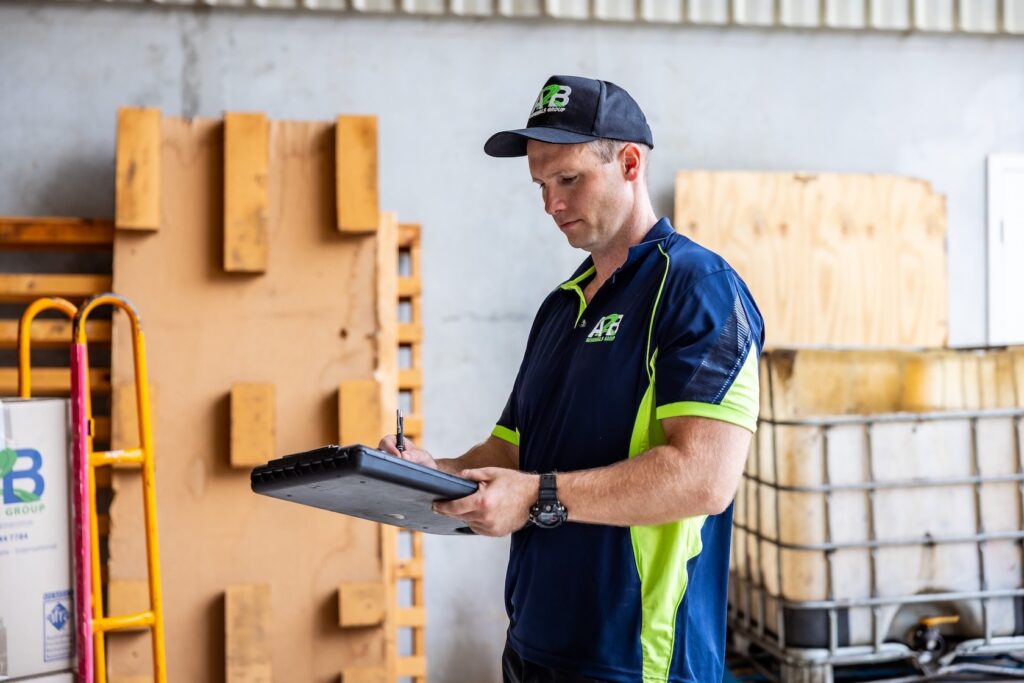
Before anything is touched, a pre-packing assessment identifies exactly what needs specialist treatment. Volume and weight are calculated precisely. An over-packed truck crushes items, and an under-packed one lets them shift. Vulnerability analysis determines which pieces need custom crating versus standard wrapping. Access points at both ends are assessed: will the truck fit down a narrow Melbourne laneway? Is there a tight stairwell at the Perth end?
High-value items are catalogued with digital condition reports: barcoded, photographed from multiple angles, with any existing scratches or patina recorded. This creates an indisputable audit trail that protects both the client and the removalist. Real-time GPS tracking lets you see exactly where the truck is on the road, which does wonders for peace of mind.
Your Time Is Worth More Than Bubble Wrap
If you’re an executive or business owner relocating for work, the cost of a move isn’t just financial. It’s measured in lost productivity. Spending a week of evenings wrapping glasses and disassembling flat-packs is time you could be billing, meeting clients, or preparing for your new role. Even for families and households without specialist items, professional packing often shortens the overall move, reduces breakages, and makes settling in far easier.
Either way, a professional packing team can typically pack a four-bedroom house in one to two days. A DIY approach stretches that same job across weeks of evenings and weekends, with a measurable productivity drop during the process and lingering disruption during setup at the other end.
For interstate moves where timing is tight, flexible storage solutions in Perth or Melbourne bridge any gap between settlement dates. The goal is simple: you focus on the transition. We handle the logistics. In most cases, professional packing pays for itself by reducing breakage, delays, and the mental load during an already demanding move.
Five DIY Packing Mistakes That Cost People Thousands

We’re not here to scare you off DIY packing. But on long-haul moves, we often see a few common packing oversights that can lead to avoidable damage. That’s why many customers choose our professional pre-packing service, for peace of mind from start to finish. These issues don’t just affect high-value items—we see the same damage occur with everyday kitchenware, TVs, and flat-pack furniture on long-haul interstate moves.
- Using a newspaper as wrapping: The ink transfers onto china, glass, and fabrics. Newspaper is also acidic, which can tarnish silver and damage art. Use acid-free packing paper or butcher’s paper instead.
- Packing plates flat: Stacking plates like dinner service puts all the weight on the bottom plate, which cracks. Plates are strongest on their edge. Pack them vertically with dividers between each one.
- Using cheap or second-hand boxes: A used box that’s been exposed to moisture can lose 20–40% of its compression strength. Over a 3,400 km journey, that bottom box in the stack will fail. Double-walled, ply-reinforced cartons are the standard for a reason.
- Leaving void space: If you shake a packed box and hear anything rattle, the contents will break in transit. Every gap needs to be filled with cushioning material until nothing moves. The “shake test” is simple and effective.
- Over-packing large boxes with heavy items: Books in a large box become an unliftable dead weight. Heavy items go in small boxes; light items go in large ones. Ignoring this leads to dropped boxes and back injuries.
If you decide to handle some of the packing yourself, A2B offers professional-grade packing supplies—including heavy-duty cartons, butcher’s paper, bubble wrap, and tape—so you’re at least using the right materials.
How to Pick a Removalist You Can Actually Trust
The barrier to entry in the removals industry is low. Anyone with a truck and a website can call themselves a removalist. The barrier to excellence is much higher. Here’s what separates the professionals, like A2B Removals, from the rest.
AFRA accreditation
The Australian Furniture Removers Association (AFRA) is the peak industry body. Members undergo independent audits of their equipment, training, and premises. They post a financial bond as a commitment to a Code of Conduct, and they provide access to a formal dispute resolution process if anything goes wrong. If your removalist isn’t AFRA-accredited, you have limited recourse if things go sideways.
Proper transit insurance
This is the most misunderstood part of moving. A removalist’s “carrier liability” only covers their own proven negligence. If a storm, bushfire, or road accident damages your goods, carrier liability won’t help. Separate transit insurance—particularly all-risk or comprehensive cover—protects your belongings against accidental damage, fire, flood, collision, and theft during transit, depending on the policy terms. Always ask for a Product Disclosure Statement (PDS). Any AFRA member offering insurance is legally required to provide one.
Air-ride suspension
For long-haul routes, like moving from Perth to Melbourne, the truck’s suspension matters enormously. Air-ride suspension uses compressed air bags to float the chassis, dramatically reducing vibration transmitted to cargo. Standard leaf-spring suspension transmits far more road shock. Ask specifically whether the interstate vehicle uses air-ride.
In-house packing and crating capability
A removalist that sub-contracts its packing introduces another layer of risk. Look for a company with in-house packing teams, access to custom crating, and secure container storage in case delivery dates don’t align perfectly.
Why Perth Locals Trust A2B Removals Group

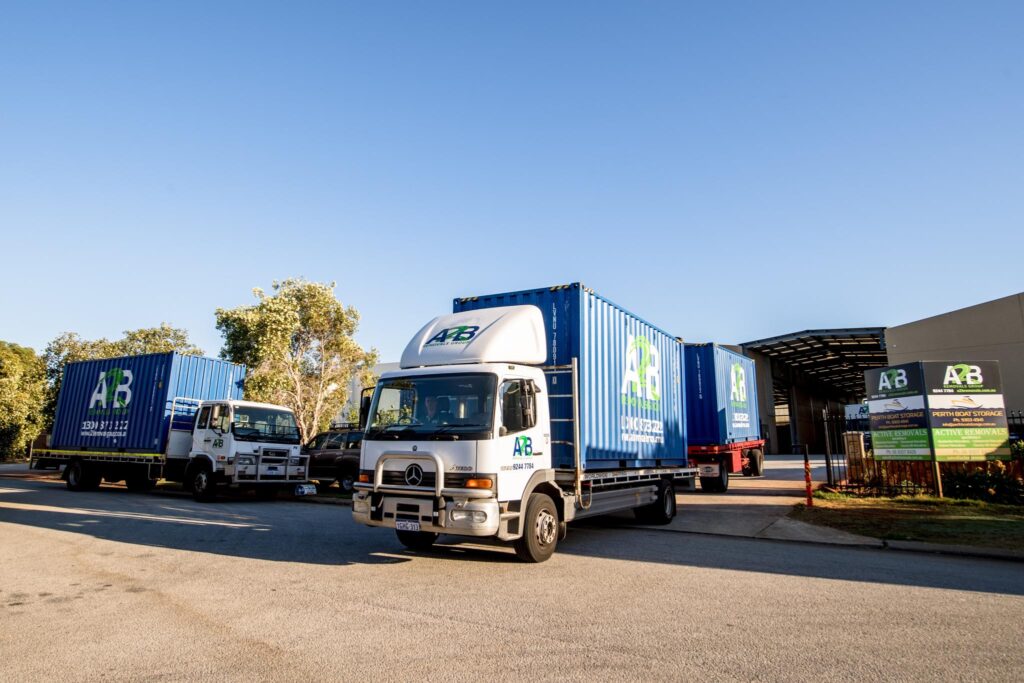
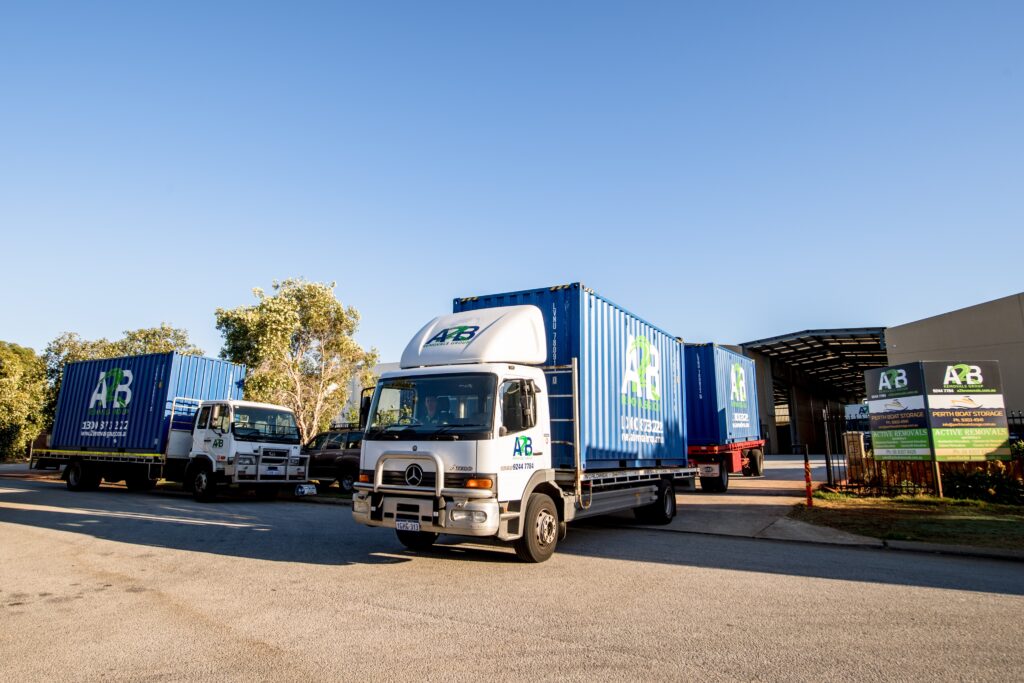
A2B Removals Group has been operating out of Perth for over 25 years. We’re a WA-owned business based in Wangara with our own fleet, our own crews, and our own secure storage facility.
Better yet, we’re AFRA-accredited and a licensed transit insurance broker, which means we can offer you comprehensive cover with a proper PDS, not a vague promise. Our team is police-cleared, and every move is managed by experienced hands who understand the specific demands of the Perth to Melbourne route, from Nullarbor heat management to Melbourne access logistics.
Whether it’s a full pre-packing service for your entire home, specialist handling for artwork and electronics, or flexible storage in Perth while you sort settlement dates, we build the move around your schedule, not ours. We also handle business relocations and local Perth moves, so whatever the scope, the process stays consistent.
If you want it done properly with no stress, we’re your guys.
Peace of Mind, 3,400 km and Counting
Moving from Perth to Melbourne is a major life transition. The distance is real, the environmental risks are real, and the stakes are high when your cargo includes irreplaceable art, expensive technology, or furniture you’ve invested years in curating.
But every one of those risks is manageable with the right approach. Conservation-grade packing for art. Anti-static protocols for electronics. Export-standard wrapping for furniture. Air-ride suspension for the haul. And, of course, a team that’s done this thousands of times.
The goal isn’t just to get your belongings to Melbourne in one piece. It’s to let you step off the plane focused on your new role, your new neighbourhood, your new chapter, confident that everything you own is arriving ready to turn a new house into home.
Ready to get started?
Every Perth to Melbourne move is different—and the best way to protect your fragile, high-value, or sentimental items is to talk it through with someone who’s done it before. Our interstate team can walk you through the process, recommend the right level of packing and protection for your specific collection, and lock in a timeline that works around your schedule.
Request a free quote from A2B Removals Group or call us on 1300 873 222. No obligation, no pressure, just straight answers from people who know the route.