The Quick Version
- Moving a warehouse is nothing like moving an office. The stakes are higher, the equipment is heavier, and every hour of downtime costs real money.
- Most warehouse relocations fail because of late planning, not poor execution. Start at least four to six weeks out for a standard move, and longer if racking or machinery is involved.
- Sequence your inventory so your fastest-moving stock is the last to leave and the first to arrive. The goal is to keep fulfilment running as long as possible.
- A general removalist isn’t equipped for industrial work. Racking, heavy machinery, and bulk stock require specialist handling, WHS compliance, and the right equipment.
- Communicate the transition early. Suppliers, freight partners, and your own team all need to know what’s changing and when.
If you’re responsible for relocating a warehouse, you already know the pressure. You’ve got racking to disassemble, machinery to transport, stock to keep flowing, and a team that needs clear answers about what’s happening and when. On top of that, suppliers are expecting deliveries and customers are expecting orders, and neither group cares that you’re mid-relocation.
So how do you plan a warehouse relocation that doesn’t bring your supply chain to a standstill? A successful warehouse relocation comes down to timing, sequencing, and choosing the right people for the job.
Why Warehouse Relocations Go Wrong

Most warehouse relocations don’t fall apart on moving day. They unravel weeks earlier, during the planning that never happened or the risks that nobody accounted for.
The most common cause is simply starting too late. Industry guidance puts the planning window for a warehouse move at three to six months from start to completion, depending on the size and complexity of the operation. That includes time for site preparation at the new location, racking installation, IT setup, and a staged inventory transfer. When businesses try to compress that timeline into a couple of weeks without a warehouse transition plan, things get missed, and the problems compound once the move is underway.
The second issue is treating the move as a single-day event when it isn’t. Shutting the whole operation down on a Friday and hoping it runs on Monday is what the industry calls the ‘Big Bang’ approach, and it’s the pattern most likely to blow out your downtime. If your warehouse is running active fulfilment, the disruption ripples straight through to your customers and freight partners.
The third, and most expensive, is underestimating what that downtime actually costs. A 2023 survey by ABB found that unplanned downtime costs the typical Australian industrial business close to $349,000 per hour. Even at the smaller end of the scale, warehouse operators face costs of $5,000 to $100,000 per hour when operations stop. If you’re running a fulfilment operation out of Malaga or Canning Vale, a single lost shift isn’t just inconvenient. It’s a direct hit to revenue, client relationships, and supply chain commitments.
Five Steps to a Warehouse Relocation That Protects Your Supply Chain
1. Start Planning Early
The minimum lead time for a large-scale warehouse move is four to six weeks, and that assumes the new site is already fitted out and ready to receive. If you need racking installed, power configured for machinery, or IT infrastructure set up at the new location, you should start three months out or more.
Use that lead time to decide whether a staged relocation or a single-day move suits your operation. A staged approach moves the warehouse in sections, so one part keeps shipping while another is being relocated. A single-day move works for smaller operations where the full volume can shift in one hit, often over a weekend. Both have trade-offs, and the right choice depends on your fulfilment commitments and downtime tolerance. (We’ll be going deeper on the staged vs single-day comparison in a coming post.)
When you plan a warehouse relocation properly, the physical moving day becomes the easiest part of the process.
2. Audit Your Site Before Anything Moves
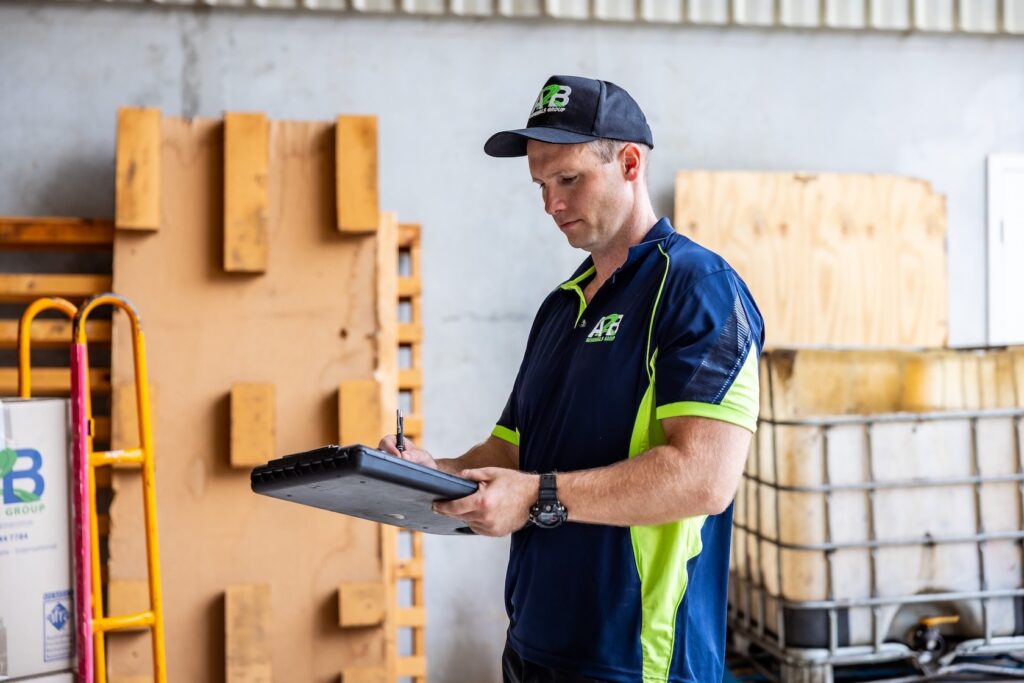
Before a single pallet leaves the building, you need a clear moving checklist: what’s going, what’s staying, and what’s being decommissioned. A thorough pre-move site audit covers every category: stock, racking, shelving, warehouse equipment, and machinery.
This is also the time to clear out dead stock. Moving slow-moving or obsolete inventory to a new site is money spent for no return. Liquidate or dispose of what you can before the move begins. Beyond stock, assess the condition of your racking systems. Australia’s national standard for steel storage racking carries WHS compliance obligations, and damaged or non-compliant racking is a safety risk and a legal liability. If anything is past its useful life, relocation is the right time to replace it rather than relocate it. This audit becomes your warehouse move checklist, and everything else builds from it.
3. Sequence Your Inventory Around Fulfilment
This is where a warehouse relocation separates from any other type of commercial move. You’re not just transporting objects from one building to another; you’re trying to maintain an active supply chain while you do it.
The approach is straightforward: move your slowest-moving stock first, keep your highest-velocity lines operational as long as possible, and schedule the final cutover for the narrowest window your operation can manage. If your customers and freight partners barely notice the transition, you’ve planned a warehouse relocation well. A2B’s commercial team works with your warehouse manager or logistics lead to map out the sequencing before a single truck is loaded, so the order of operations is locked down well in advance.
4. Choose a Removalist Built for Industrial Work
A general removalist can handle office furniture and boxes. A warehouse relocation requires something different: crews trained in safe manual handling of heavy equipment, specialist tools for dismantling and reinstalling pallet racking and other storage equipment, and a practical understanding of WHS obligations for hazardous manual tasks.
This is where AFRA accreditation matters. AFRA-accredited removalists are regularly audited against strict standards for equipment, vehicles, staff training, and insurance, including a minimum $10 million public liability policy and the ability to provide transit insurance. When you’re moving racks, heavy machinery, and bulk stock across Perth’s industrial precincts, the price difference between an accredited removalist and an unaccredited operator is small compared to the cost of a damaged racking system, a workplace injury, or an insurance claim that falls through because your provider didn’t meet the threshold.
5. Communicate the Transition Early and Often
A warehouse relocation affects everyone in your supply chain, not just the people on the floor. Suppliers need updated delivery addresses and receiving windows. Freight and courier partners need new dock access details and booking procedures. Your own team needs a clear timeline, a layout plan for the new site, and a safety briefing before their first shift there.
Add these to your moving checklist weeks before the move, not the week of. If your customers have service-level agreements tied to lead times or order cutoffs, give them realistic expectations for the transition period. Being upfront about a short adjustment window builds far more trust than a surprise delay after the fact.
How A2B Handles Warehouse Relocations in Perth
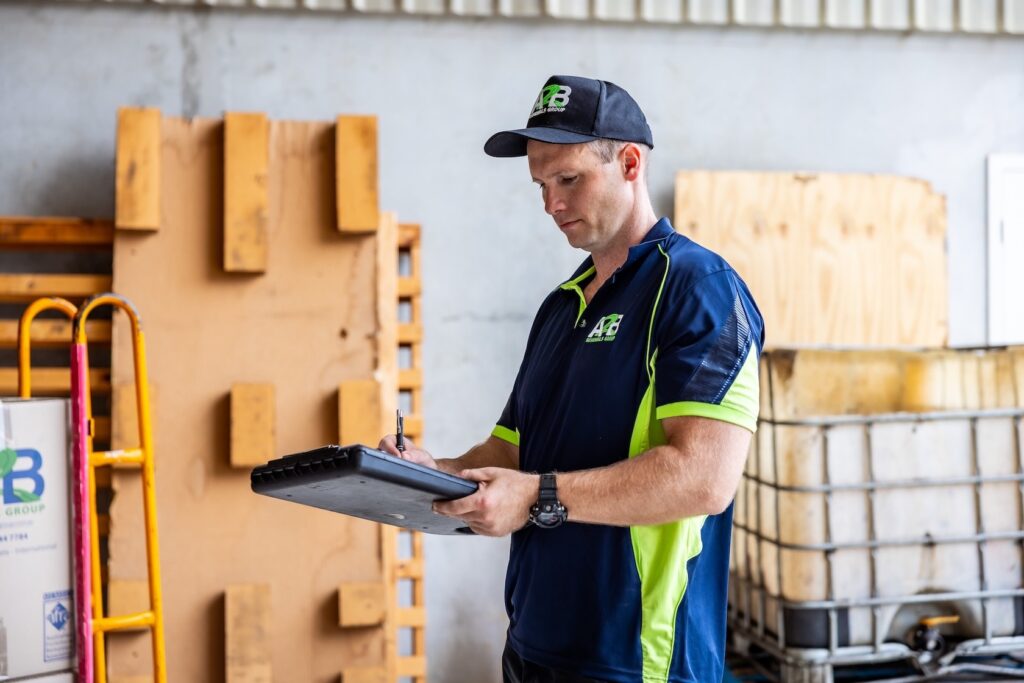
When you plan a warehouse relocation with A2B, you get a dedicated Move Manager from the moment you confirm your booking. They become your single point of contact for the entire project, coordinating the timeline, managing access at both sites, briefing the crew, and keeping you updated at every stage.
Our warehouse relocation services are scheduled around your operational hours, not ours. After-hours, overnight, and weekend moves are standard for our commercial clients. Plenty of businesses across Perth’s industrial areas relocate on a Friday evening and are fully operational from the new site by Monday morning.
Our crew are AFRA-accredited, police-cleared, and trained in safe manual handling for industrial racking and equipment, including heavy machinery. We carry transit insurance as standard and offer additional cover for high-value industrial assets. OH&S compliance isn’t an afterthought; it’s part of how we plan a warehouse relocation from day one.
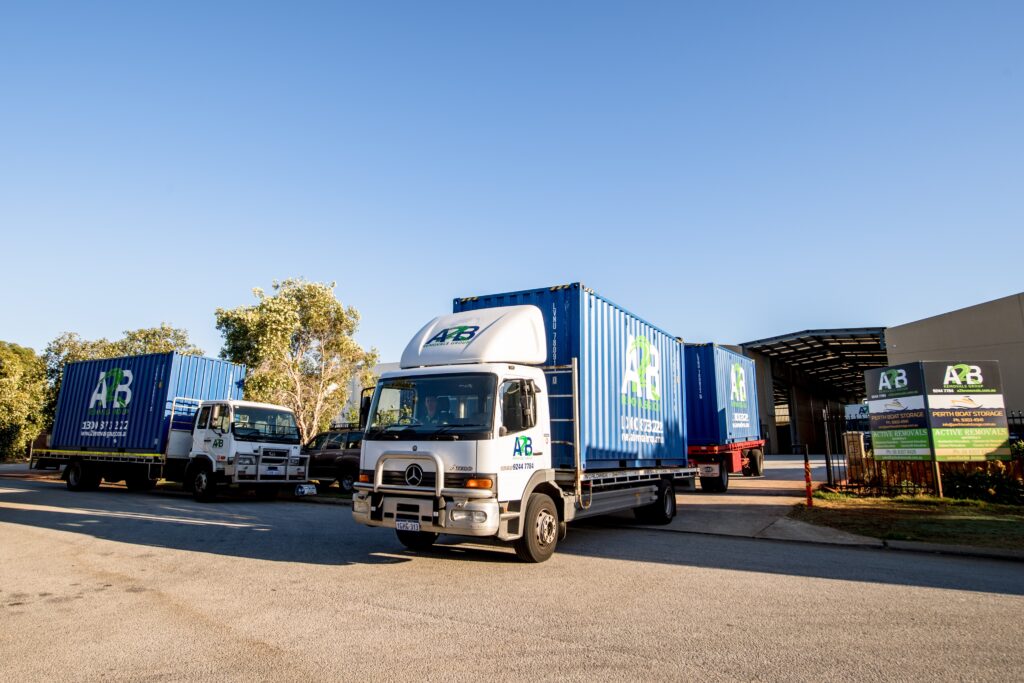
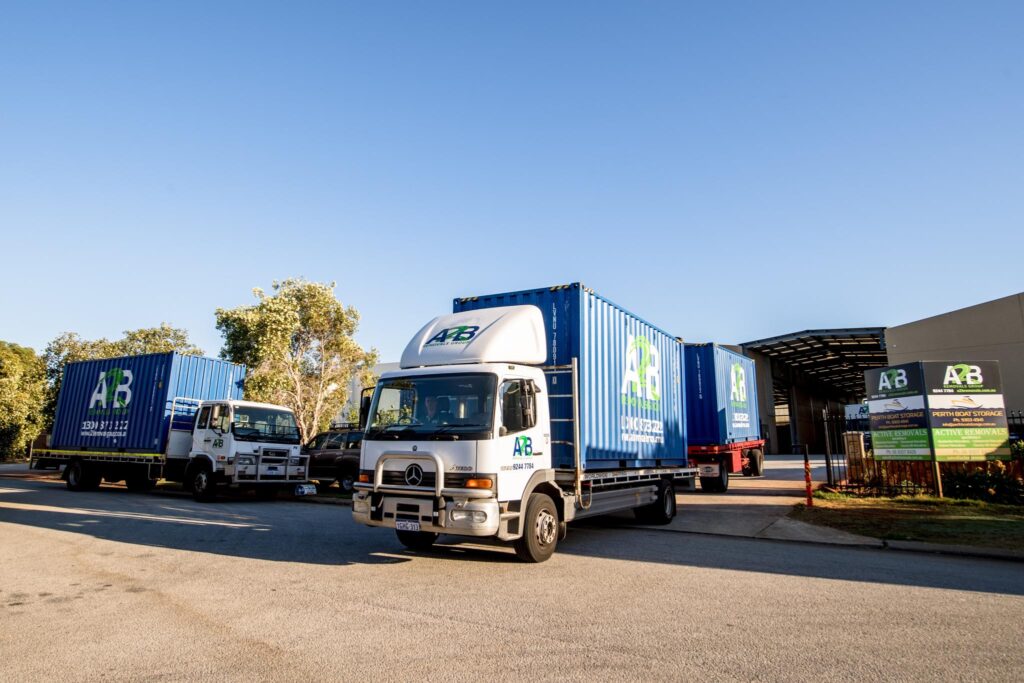
If your move involves a gap between sites or a staged transfer, A2B’s secure container storage facility in Wangara acts as a buffer. Your stock stays protected in weather-proof containers until the new site is ready to receive, which means you don’t have to rush the fitout to meet an artificial deadline.
Ready to Plan Your Warehouse Relocation?
If you’re weighing up how to plan a warehouse relocation in Perth, you don’t have to figure out the sequencing, the scheduling, and the logistics on your own. A2B’s commercial team has been managing warehouse and industrial relocations across Perth for over 25 years, and we’re happy to talk through what’s involved before you commit to anything.
The easiest starting point is a site assessment. We’ll visit your premises, get a clear picture of the scope, and come back to you with a plan that works around your operations. Our commercial team is the best place to start — you can reach us online or on 1300 873 222.